Is Your Neighbor's Plumbing Problem Also Your Problem?
Living in the beautiful Central Park neighborhood of Denver, CO 80238 comes with many perks. But some homes here share a unique feature you might not know about: shared utility lines. This means your home’s sewer line might connect with your neighbor’s before it reaches the main city pipe. While this system is usually efficient, it can create confusing and frustrating problems when something goes wrong. Understanding how this setup works is the first step to protecting your home from unexpected backups and costly repairs.
A clog or break in a shared sewer line doesn't just affect one household; it can impact everyone connected to it. Suddenly, a slow drain in your sink could be related to an issue next door. This shared responsibility can lead to confusion over who should pay for repairs and who to call for help. Knowing the signs of a shared line problem helps you act quickly, prevent further damage, and find the right solution for everyone involved, ensuring your home stays safe and comfortable.
What Exactly Is a Shared Sewer Line?
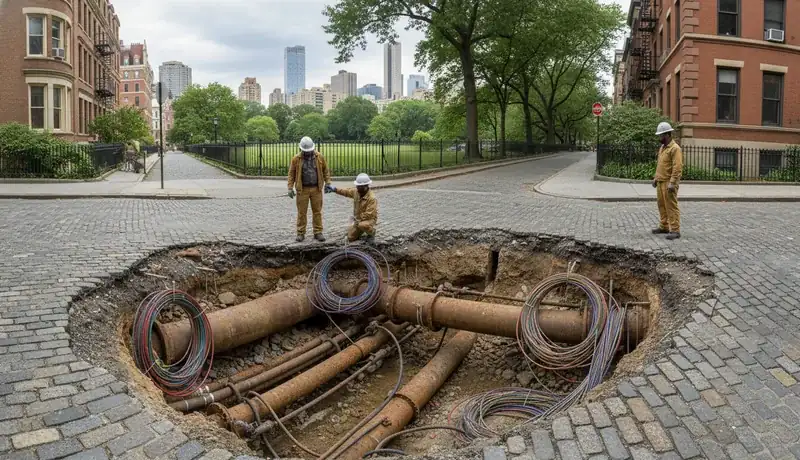
In many Central Park homes, a single underground pipe, often called a 'party sewer,' collects wastewater from two or more properties. This shared line then runs to the main municipal sewer connection under the street. This design was common in certain periods of development to save on construction costs. For homeowners, it means you aren't just responsible for the pipe running from your house to your property line; you share a portion of the plumbing system with your neighbors. As a result, a blockage caused by tree roots, grease buildup, or a foreign object in the shared section can cause sewage to back up into all connected homes simultaneously. Identifying the exact location of the clog becomes much more complex than with a standard, private sewer line, making diagnosis a challenge for the average homeowner.
Signs Your Plumbing Issue Is a Shared Problem
How can you tell if a backup is your issue or a shared one? The biggest clue is communication. If you notice slow drains, gurgling toilets, or a sewage odor, talk to your immediate neighbors. Are they experiencing the same thing at the same time? If so, you likely have a problem in the shared sewer line. Another sign is when plumbing issues persist even after you’ve had your own line cleared. For example, if a plumber snakes your drain but the problem returns quickly, the blockage is probably further down the pipe in the shared section. That’s why coordinating with your neighbors is key. Documenting when the issues occur across multiple households provides crucial information for a professional plumber to diagnose the problem accurately and efficiently, saving everyone time and money.
When a Clog Becomes an Emergency
A simple slow drain might not seem urgent, but when it involves a shared line, it can escalate quickly. If you see sewage backing up into your tub, floor drains, or toilets, it’s a serious situation that requires immediate action. This is no longer a DIY fix; it’s a plumbing emergency. Attempting to clear a shared line blockage with store-bought chemicals can be ineffective and may even damage the pipes. Furthermore, trying to determine responsibility without a professional diagnosis can lead to disputes with neighbors. When multiple homes are affected, you need fast and reliable emergency plumbing services in Denver 80238. A professional has the specialized camera equipment to inspect the line, pinpoint the exact location of the clog, and determine the best course of action for repair.
Your Central Park Plumbing Specialists
Navigating shared sewer line issues in Denver, CO 80238 requires local expertise. At Expert Plumbing Pro, we understand the unique plumbing configurations common in the Central Park area. Our team is equipped with advanced diagnostic tools, like sewer cameras, to accurately identify the source of the problem without guesswork. We can determine if the blockage is in your private line or the shared portion. We provide clear, detailed explanations so you and your neighbors understand the situation completely. Our goal is to offer a fair and effective solution that resolves the issue for everyone involved, restoring your plumbing and your peace of mind.
Frequently Asked Questions
Who is responsible for repairing a shared sewer line?
Responsibility for a shared sewer line can be complicated and often depends on local regulations and homeowner agreements. Typically, the homeowners connected to the line share the cost of maintenance and repairs for the common section. It's best to discuss the issue with your neighbors and agree on a course of action. A professional plumber can provide a clear diagnosis and an estimate that can be shared among the affected households, making the process much smoother for everyone.
Can I prevent problems with my shared sewer line?
Yes, proactive maintenance can help prevent major issues. Be mindful of what goes down your drains—avoid pouring grease, coffee grounds, and harsh chemicals. Only flush human waste and toilet paper. You can also coordinate with your neighbors to schedule a routine professional inspection and cleaning every few years. This can catch potential problems like tree root intrusion or buildup before they cause a messy and expensive backup for everyone on the line. It's a small investment for significant peace of mind.
Let's Solve Your Plumbing Puzzles
Shared utility lines are a unique aspect of living in some Denver neighborhoods, but they don't have to be a source of stress. By understanding the signs of a shared problem and communicating with your neighbors, you can tackle issues head-on. Remember, when a clog affects multiple homes, it’s time to call in the experts. If you’re facing a confusing plumbing situation in Denver, CO 80238, don't hesitate to contact Expert Plumbing Pro. We’re here to provide the clarity and solutions you need.